



Your Cart is empty
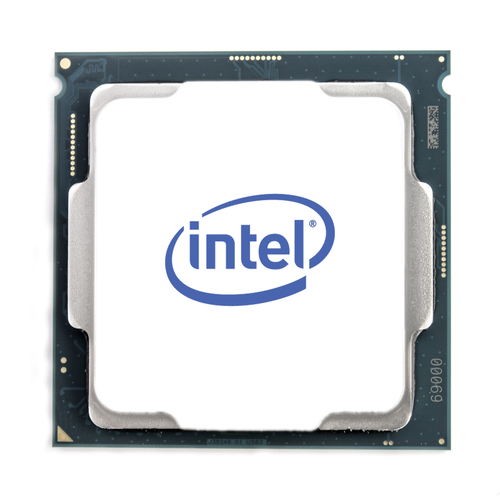
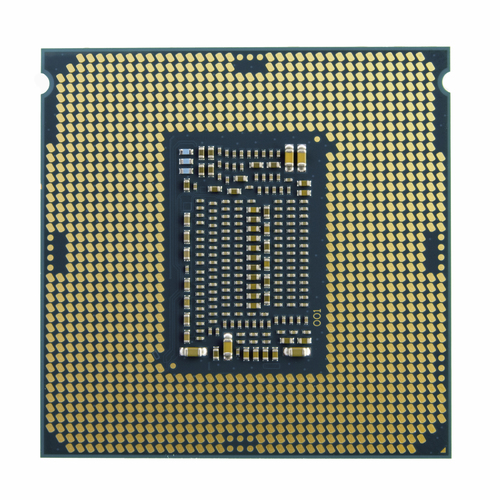
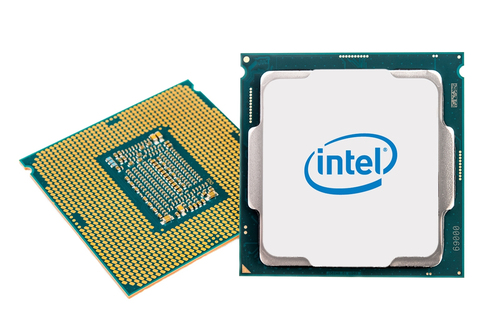
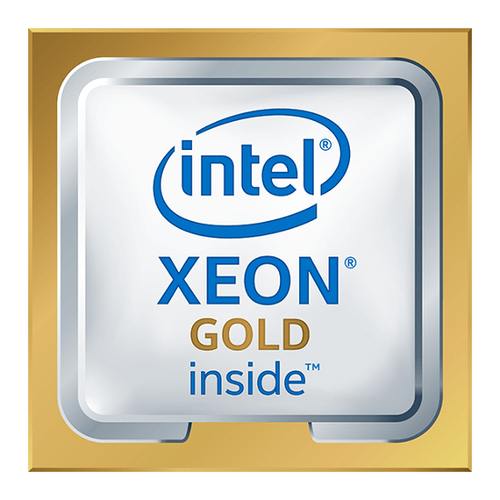
Intel Xeon 6238M processor 2.1 GHz 30.25 MB Tray
Intel Xeon 6238M processor 2.1 GHz 30.25 MB Tray
SKU : CD8069504284604
Intel Xeon 6238M processor 2.1 GHz 30.25 MB Tray
Short Description:
Intel Xeon 6238M, Intel® Xeon® Gold, 14 nm, Tray, Intel, 6238M, 2.1 GHz
Manufacturer part number :
CD8069504284604
Vendor
:
Intel
Description
Intel® Turbo Boost Technology
Intel® Turbo Boost Technology dynamically increases the processor's frequency as needed by taking advantage of thermal and power headroom to give you a burst of speed when you need it, and increased energy efficiency when you don’t.
Intel® vPro™ Platform Eligibility
Intel® vPro™ Technology is a set of security and manageability capabilities built into the processor aimed at addressing four critical areas of IT security: 1) Threat management, including protection from rootkits, viruses, and malware 2) Identity and web site access point protection 3) Confidential personal and business data protection 4) Remote and local monitoring, remediation, and repair of PCs and workstations.
Intel® Hyper-Threading Technology
Intel® Hyper-Threading Technology (Intel® HT Technology) delivers two processing threads per physical core. Highly threaded applications can get more work done in parallel, completing tasks sooner.
Intel® Virtualization Technology (VT-x)
Intel® Virtualization Technology (VT-x) allows one hardware platform to function as multiple “virtual” platforms. It offers improved manageability by limiting downtime and maintaining productivity by isolating computing activities into separate partitions.
Intel® Virtualization Technology for Directed I/O (VT-d)
Intel® Virtualization Technology for Directed I/O (VT-d) continues from the existing support for IA-32 (VT-x) and Itanium® processor (VT-i) virtualization adding new support for I/O-device virtualization. Intel VT-d can help end users improve security and reliability of the systems and also improve performance of I/O devices in virtualized environments.
Intel® VT-x with Extended Page Tables (EPT)
Intel® VT-x with Extended Page Tables (EPT), also known as Second Level Address Translation (SLAT), provides acceleration for memory intensive virtualized applications. Extended Page Tables in Intel® Virtualization Technology platforms reduces the memory and power overhead costs and increases battery life through hardware optimization of page table management.
Intel® TSX-NI
Intel® Transactional Synchronization Extensions New Instructions (Intel® TSX-NI) are a set of instructions focused on multi-threaded performance scaling. This technology helps make parallel operations more efficient via improved control of locks in software.
Intel® 64
Intel® 64 architecture delivers 64-bit computing on server, workstation, desktop and mobile platforms when combined with supporting software.¹ Intel 64 architecture improves performance by allowing systems to address more than 4 GB of both virtual and physical memory.
Instruction Set
An instruction set refers to the basic set of commands and instructions that a microprocessor understands and can carry out. The value shown represents which Intel’s instruction set this processor is compatible with.
Instruction Set Extensions
Instruction Set Extensions are additional instructions which can increase performance when the same operations are performed on multiple data objects. These can include SSE (Streaming SIMD Extensions) and AVX (Advanced Vector Extensions).
# of AVX-512 FMA Units
Intel® Advanced Vector Extensions 512 (AVX-512), new instruction set extensions, delivering ultra-wide (512-bit) vector operations capabilities, with up to 2 FMAs (Fused Multiply Add instructions), to accelerate performance for your most demanding computational tasks.
Enhanced Intel SpeedStep® Technology
Enhanced Intel SpeedStep® Technology is an advanced means of enabling high performance while meeting the power-conservation needs of mobile systems. Conventional Intel SpeedStep® Technology switches both voltage and frequency in tandem between high and low levels in response to processor load. Enhanced Intel SpeedStep® Technology builds upon that architecture using design strategies such as Separation between Voltage and Frequency Changes, and Clock Partitioning and Recovery.
Intel® Speed Shift Technology
Intel® Speed Shift Technology uses hardware-controlled P-states to deliver dramatically quicker responsiveness with single-threaded, transient (short duration) workloads, such as web browsing, by allowing the processor to more quickly select its best operating frequency and voltage for optimal performance and power efficiency.
Intel® Deep Learning Boost (Intel® DL Boost)
A new set of embedded processor technologies designed to accelerate AI deep learning use cases. It extends Intel AVX-512 with a new Vector Neural Network Instruction (VNNI) that significantly increases deep learning inference performance over previous generations.
Intel® Resource Director Technology (Intel® RDT)
Intel® RDT brings new levels of visibility and control over how shared resources such as last-level cache (LLC) and memory bandwidth are used by applications, virtual machines (VMs) and containers.
Intel® Volume Management Device (VMD)
Intel® Volume Management Device (VMD) provides a common, robust method of hot plug and LED management for NVMe-based solid state drives.
Intel® Turbo Boost Technology dynamically increases the processor's frequency as needed by taking advantage of thermal and power headroom to give you a burst of speed when you need it, and increased energy efficiency when you don’t.
Intel® vPro™ Platform Eligibility
Intel® vPro™ Technology is a set of security and manageability capabilities built into the processor aimed at addressing four critical areas of IT security: 1) Threat management, including protection from rootkits, viruses, and malware 2) Identity and web site access point protection 3) Confidential personal and business data protection 4) Remote and local monitoring, remediation, and repair of PCs and workstations.
Intel® Hyper-Threading Technology
Intel® Hyper-Threading Technology (Intel® HT Technology) delivers two processing threads per physical core. Highly threaded applications can get more work done in parallel, completing tasks sooner.
Intel® Virtualization Technology (VT-x)
Intel® Virtualization Technology (VT-x) allows one hardware platform to function as multiple “virtual” platforms. It offers improved manageability by limiting downtime and maintaining productivity by isolating computing activities into separate partitions.
Intel® Virtualization Technology for Directed I/O (VT-d)
Intel® Virtualization Technology for Directed I/O (VT-d) continues from the existing support for IA-32 (VT-x) and Itanium® processor (VT-i) virtualization adding new support for I/O-device virtualization. Intel VT-d can help end users improve security and reliability of the systems and also improve performance of I/O devices in virtualized environments.
Intel® VT-x with Extended Page Tables (EPT)
Intel® VT-x with Extended Page Tables (EPT), also known as Second Level Address Translation (SLAT), provides acceleration for memory intensive virtualized applications. Extended Page Tables in Intel® Virtualization Technology platforms reduces the memory and power overhead costs and increases battery life through hardware optimization of page table management.
Intel® TSX-NI
Intel® Transactional Synchronization Extensions New Instructions (Intel® TSX-NI) are a set of instructions focused on multi-threaded performance scaling. This technology helps make parallel operations more efficient via improved control of locks in software.
Intel® 64
Intel® 64 architecture delivers 64-bit computing on server, workstation, desktop and mobile platforms when combined with supporting software.¹ Intel 64 architecture improves performance by allowing systems to address more than 4 GB of both virtual and physical memory.
Instruction Set
An instruction set refers to the basic set of commands and instructions that a microprocessor understands and can carry out. The value shown represents which Intel’s instruction set this processor is compatible with.
Instruction Set Extensions
Instruction Set Extensions are additional instructions which can increase performance when the same operations are performed on multiple data objects. These can include SSE (Streaming SIMD Extensions) and AVX (Advanced Vector Extensions).
# of AVX-512 FMA Units
Intel® Advanced Vector Extensions 512 (AVX-512), new instruction set extensions, delivering ultra-wide (512-bit) vector operations capabilities, with up to 2 FMAs (Fused Multiply Add instructions), to accelerate performance for your most demanding computational tasks.
Enhanced Intel SpeedStep® Technology
Enhanced Intel SpeedStep® Technology is an advanced means of enabling high performance while meeting the power-conservation needs of mobile systems. Conventional Intel SpeedStep® Technology switches both voltage and frequency in tandem between high and low levels in response to processor load. Enhanced Intel SpeedStep® Technology builds upon that architecture using design strategies such as Separation between Voltage and Frequency Changes, and Clock Partitioning and Recovery.
Intel® Speed Shift Technology
Intel® Speed Shift Technology uses hardware-controlled P-states to deliver dramatically quicker responsiveness with single-threaded, transient (short duration) workloads, such as web browsing, by allowing the processor to more quickly select its best operating frequency and voltage for optimal performance and power efficiency.
Intel® Deep Learning Boost (Intel® DL Boost)
A new set of embedded processor technologies designed to accelerate AI deep learning use cases. It extends Intel AVX-512 with a new Vector Neural Network Instruction (VNNI) that significantly increases deep learning inference performance over previous generations.
Intel® Resource Director Technology (Intel® RDT)
Intel® RDT brings new levels of visibility and control over how shared resources such as last-level cache (LLC) and memory bandwidth are used by applications, virtual machines (VMs) and containers.
Intel® Volume Management Device (VMD)
Intel® Volume Management Device (VMD) provides a common, robust method of hot plug and LED management for NVMe-based solid state drives.
- Intel® Xeon® Gold 6238M 2.1 GHz
- 30.25 MB
- Processor cores: 22 14 nm 64-bit 140 W
- Maximum internal memory supported by processor: 2 TB DDR4-SDRAM
- Tray
Specifications
Features
Scalability
4S
Market segment
Server
Embedded options available
No
PCI Express CEM revision
3.0
PCI Express slots version
3.0
Maximum number of PCI Express lanes
48
Supported instruction sets
AVX-512
Execute Disable Bit
Yes
Graphics
Discrete graphics card
No
On-board graphics card
No
On-board graphics card model
Not available
Discrete graphics card model
Not available
Logistics data
Harmonized System (HS) code
8542310001
Memory
ECC
Yes
Memory channels
Hexa-channel
Maximum internal memory supported by processor
2 TB
Memory types supported by processor
DDR4-SDRAM
Memory clock speeds supported by processor
2933 MHz
Operational conditions
Tcase
92 °C
Power
Thermal Design Power (TDP)
140 Watt
Processor
Processor operating modes
64-bit
Processor boost frequency
3.7 GHz
Processor model
6238M
Cooler included
No
Processor cache
30.25 MB
Processor codename
Cascade Lake
Processor lithography
14 nm
Package type
Tray
Processor family
Intel® Xeon® Gold
Processor threads
44
Processor base frequency
2.1 GHz
Processor cores
22
Component for
Server/workstation
Processor manufacturer
Intel
Processor ARK ID
193955
Processor special features
Intel® Turbo Boost Technology
2.0
Intel VT-x with Extended Page Tables (EPT)
Yes
Intel Turbo Boost Max Technology 3.0
No
Intel® Speed Shift Technology
Yes
Intel® Deep Learning Boost (Intel® DL Boost) on CPU
Yes
Intel® Speed Select technology - Performance Profile (Intel® SST-PP)
No
Intel 64
Yes
Intel® Volume Management Device (VMD)
Yes
Intel® Optane™ DC Persistent Memory Supported
Yes
AVX-512 Fused Multiply-Add (FMA) units
2
Intel® Optane™ DC Persistent Memory technology
Yes
Intel® Resource Director Technology (Intel® RDT)
Yes
Intel® Run Sure Technology
Yes
Intel® Speed Select Technology - Base Frequency (Intel® SST-BF)
No
Intel Speed Select Technology (SST)
No
Intel® vPro™ Platform Eligibility
Yes
Intel® Hyper Threading Technology (Intel® HT Technology)
Yes
Mode-based Execute Control (MBE)
Yes
Intel® AES New Instructions (Intel® AES-NI)
Yes
Enhanced Intel SpeedStep Technology
Yes
Intel TSX-NI
Yes
Intel Trusted Execution Technology
Yes
Intel Virtualization Technology for Directed I/O (VT-d)
Yes
Intel Virtualization Technology (VT-x)
Yes
Technical details
Memory speed (max)
2933 MHz
Number of UPI links
3
Status
Launched
Product type
Processor
Launch date
Q2'19
Weight & dimensions
Processor package size
76.0 x 56.5 mm
Alternative Products
Intel Xeon 8280M processor 2.7 GHz 38.5 MB Tray
CD8069504228101
Intel Xeon 8280M, Intel® Xeon® Platinum, LGA 3647 (Socket P), 14 nm, Tray, Intel, 8280M
Loading price
or
Loading price
/mo
Call For Availability
Intel Xeon 8260M processor 2.4 GHz 35.75 MB Tray
CD8069504201201
Intel Xeon 8260M, Intel® Xeon® Platinum, LGA 3647 (Socket P), 14 nm, Tray, Intel, 8260M
Loading price
or
Loading price
/mo
Call For Availability
Cisco Intel Xeon Platinum 8280 processor 2.7 GHz 38.5 MB...
UCS-CPU-I8280
Cisco Intel Xeon Platinum 8280, Intel® Xeon® Platinum, LGA 3647 (Socket P), 14 nm, Tray, Intel, 2.7
Loading price
or
Loading price
/mo
Call For Availability
Cisco Xeon 8268 processor 2.9 GHz 35.75 MB Tray
UCS-CPU-I8268=
Cisco Xeon 8268, Intel® Xeon® Platinum, LGA 3647 (Socket P), 14 nm, Tray, Intel, 2.9 GHz
Loading price
or
Loading price
/mo
Call For Availability
Description
Intel® Turbo Boost Technology
Intel® Turbo Boost Technology dynamically increases the processor's frequency as needed by taking advantage of thermal and power headroom to give you a burst of speed when you need it, and increased energy efficiency when you don’t.
Intel® vPro™ Platform Eligibility
Intel® vPro™ Technology is a set of security and manageability capabilities built into the processor aimed at addressing four critical areas of IT security: 1) Threat management, including protection from rootkits, viruses, and malware 2) Identity and web site access point protection 3) Confidential personal and business data protection 4) Remote and local monitoring, remediation, and repair of PCs and workstations.
Intel® Hyper-Threading Technology
Intel® Hyper-Threading Technology (Intel® HT Technology) delivers two processing threads per physical core. Highly threaded applications can get more work done in parallel, completing tasks sooner.
Intel® Virtualization Technology (VT-x)
Intel® Virtualization Technology (VT-x) allows one hardware platform to function as multiple “virtual” platforms. It offers improved manageability by limiting downtime and maintaining productivity by isolating computing activities into separate partitions.
Intel® Virtualization Technology for Directed I/O (VT-d)
Intel® Virtualization Technology for Directed I/O (VT-d) continues from the existing support for IA-32 (VT-x) and Itanium® processor (VT-i) virtualization adding new support for I/O-device virtualization. Intel VT-d can help end users improve security and reliability of the systems and also improve performance of I/O devices in virtualized environments.
Intel® VT-x with Extended Page Tables (EPT)
Intel® VT-x with Extended Page Tables (EPT), also known as Second Level Address Translation (SLAT), provides acceleration for memory intensive virtualized applications. Extended Page Tables in Intel® Virtualization Technology platforms reduces the memory and power overhead costs and increases battery life through hardware optimization of page table management.
Intel® TSX-NI
Intel® Transactional Synchronization Extensions New Instructions (Intel® TSX-NI) are a set of instructions focused on multi-threaded performance scaling. This technology helps make parallel operations more efficient via improved control of locks in software.
Intel® 64
Intel® 64 architecture delivers 64-bit computing on server, workstation, desktop and mobile platforms when combined with supporting software.¹ Intel 64 architecture improves performance by allowing systems to address more than 4 GB of both virtual and physical memory.
Instruction Set
An instruction set refers to the basic set of commands and instructions that a microprocessor understands and can carry out. The value shown represents which Intel’s instruction set this processor is compatible with.
Instruction Set Extensions
Instruction Set Extensions are additional instructions which can increase performance when the same operations are performed on multiple data objects. These can include SSE (Streaming SIMD Extensions) and AVX (Advanced Vector Extensions).
# of AVX-512 FMA Units
Intel® Advanced Vector Extensions 512 (AVX-512), new instruction set extensions, delivering ultra-wide (512-bit) vector operations capabilities, with up to 2 FMAs (Fused Multiply Add instructions), to accelerate performance for your most demanding computational tasks.
Enhanced Intel SpeedStep® Technology
Enhanced Intel SpeedStep® Technology is an advanced means of enabling high performance while meeting the power-conservation needs of mobile systems. Conventional Intel SpeedStep® Technology switches both voltage and frequency in tandem between high and low levels in response to processor load. Enhanced Intel SpeedStep® Technology builds upon that architecture using design strategies such as Separation between Voltage and Frequency Changes, and Clock Partitioning and Recovery.
Intel® Speed Shift Technology
Intel® Speed Shift Technology uses hardware-controlled P-states to deliver dramatically quicker responsiveness with single-threaded, transient (short duration) workloads, such as web browsing, by allowing the processor to more quickly select its best operating frequency and voltage for optimal performance and power efficiency.
Intel® Deep Learning Boost (Intel® DL Boost)
A new set of embedded processor technologies designed to accelerate AI deep learning use cases. It extends Intel AVX-512 with a new Vector Neural Network Instruction (VNNI) that significantly increases deep learning inference performance over previous generations.
Intel® Resource Director Technology (Intel® RDT)
Intel® RDT brings new levels of visibility and control over how shared resources such as last-level cache (LLC) and memory bandwidth are used by applications, virtual machines (VMs) and containers.
Intel® Volume Management Device (VMD)
Intel® Volume Management Device (VMD) provides a common, robust method of hot plug and LED management for NVMe-based solid state drives.
Intel® Turbo Boost Technology dynamically increases the processor's frequency as needed by taking advantage of thermal and power headroom to give you a burst of speed when you need it, and increased energy efficiency when you don’t.
Intel® vPro™ Platform Eligibility
Intel® vPro™ Technology is a set of security and manageability capabilities built into the processor aimed at addressing four critical areas of IT security: 1) Threat management, including protection from rootkits, viruses, and malware 2) Identity and web site access point protection 3) Confidential personal and business data protection 4) Remote and local monitoring, remediation, and repair of PCs and workstations.
Intel® Hyper-Threading Technology
Intel® Hyper-Threading Technology (Intel® HT Technology) delivers two processing threads per physical core. Highly threaded applications can get more work done in parallel, completing tasks sooner.
Intel® Virtualization Technology (VT-x)
Intel® Virtualization Technology (VT-x) allows one hardware platform to function as multiple “virtual” platforms. It offers improved manageability by limiting downtime and maintaining productivity by isolating computing activities into separate partitions.
Intel® Virtualization Technology for Directed I/O (VT-d)
Intel® Virtualization Technology for Directed I/O (VT-d) continues from the existing support for IA-32 (VT-x) and Itanium® processor (VT-i) virtualization adding new support for I/O-device virtualization. Intel VT-d can help end users improve security and reliability of the systems and also improve performance of I/O devices in virtualized environments.
Intel® VT-x with Extended Page Tables (EPT)
Intel® VT-x with Extended Page Tables (EPT), also known as Second Level Address Translation (SLAT), provides acceleration for memory intensive virtualized applications. Extended Page Tables in Intel® Virtualization Technology platforms reduces the memory and power overhead costs and increases battery life through hardware optimization of page table management.
Intel® TSX-NI
Intel® Transactional Synchronization Extensions New Instructions (Intel® TSX-NI) are a set of instructions focused on multi-threaded performance scaling. This technology helps make parallel operations more efficient via improved control of locks in software.
Intel® 64
Intel® 64 architecture delivers 64-bit computing on server, workstation, desktop and mobile platforms when combined with supporting software.¹ Intel 64 architecture improves performance by allowing systems to address more than 4 GB of both virtual and physical memory.
Instruction Set
An instruction set refers to the basic set of commands and instructions that a microprocessor understands and can carry out. The value shown represents which Intel’s instruction set this processor is compatible with.
Instruction Set Extensions
Instruction Set Extensions are additional instructions which can increase performance when the same operations are performed on multiple data objects. These can include SSE (Streaming SIMD Extensions) and AVX (Advanced Vector Extensions).
# of AVX-512 FMA Units
Intel® Advanced Vector Extensions 512 (AVX-512), new instruction set extensions, delivering ultra-wide (512-bit) vector operations capabilities, with up to 2 FMAs (Fused Multiply Add instructions), to accelerate performance for your most demanding computational tasks.
Enhanced Intel SpeedStep® Technology
Enhanced Intel SpeedStep® Technology is an advanced means of enabling high performance while meeting the power-conservation needs of mobile systems. Conventional Intel SpeedStep® Technology switches both voltage and frequency in tandem between high and low levels in response to processor load. Enhanced Intel SpeedStep® Technology builds upon that architecture using design strategies such as Separation between Voltage and Frequency Changes, and Clock Partitioning and Recovery.
Intel® Speed Shift Technology
Intel® Speed Shift Technology uses hardware-controlled P-states to deliver dramatically quicker responsiveness with single-threaded, transient (short duration) workloads, such as web browsing, by allowing the processor to more quickly select its best operating frequency and voltage for optimal performance and power efficiency.
Intel® Deep Learning Boost (Intel® DL Boost)
A new set of embedded processor technologies designed to accelerate AI deep learning use cases. It extends Intel AVX-512 with a new Vector Neural Network Instruction (VNNI) that significantly increases deep learning inference performance over previous generations.
Intel® Resource Director Technology (Intel® RDT)
Intel® RDT brings new levels of visibility and control over how shared resources such as last-level cache (LLC) and memory bandwidth are used by applications, virtual machines (VMs) and containers.
Intel® Volume Management Device (VMD)
Intel® Volume Management Device (VMD) provides a common, robust method of hot plug and LED management for NVMe-based solid state drives.
- Intel® Xeon® Gold 6238M 2.1 GHz
- 30.25 MB
- Processor cores: 22 14 nm 64-bit 140 W
- Maximum internal memory supported by processor: 2 TB DDR4-SDRAM
- Tray
Specifications
Features
Scalability
4S
Market segment
Server
Embedded options available
No
PCI Express CEM revision
3.0
PCI Express slots version
3.0
Maximum number of PCI Express lanes
48
Supported instruction sets
AVX-512
Execute Disable Bit
Yes
Graphics
Discrete graphics card
No
On-board graphics card
No
On-board graphics card model
Not available
Discrete graphics card model
Not available
Logistics data
Harmonized System (HS) code
8542310001
Memory
ECC
Yes
Memory channels
Hexa-channel
Maximum internal memory supported by processor
2 TB
Memory types supported by processor
DDR4-SDRAM
Memory clock speeds supported by processor
2933 MHz
Operational conditions
Tcase
92 °C
Power
Thermal Design Power (TDP)
140 Watt
Processor
Processor operating modes
64-bit
Processor boost frequency
3.7 GHz
Processor model
6238M
Cooler included
No
Processor cache
30.25 MB
Processor codename
Cascade Lake
Processor lithography
14 nm
Package type
Tray
Processor family
Intel® Xeon® Gold
Processor threads
44
Processor base frequency
2.1 GHz
Processor cores
22
Component for
Server/workstation
Processor manufacturer
Intel
Processor ARK ID
193955
Processor special features
Intel® Turbo Boost Technology
2.0
Intel VT-x with Extended Page Tables (EPT)
Yes
Intel Turbo Boost Max Technology 3.0
No
Intel® Speed Shift Technology
Yes
Intel® Deep Learning Boost (Intel® DL Boost) on CPU
Yes
Intel® Speed Select technology - Performance Profile (Intel® SST-PP)
No
Intel 64
Yes
Intel® Volume Management Device (VMD)
Yes
Intel® Optane™ DC Persistent Memory Supported
Yes
AVX-512 Fused Multiply-Add (FMA) units
2
Intel® Optane™ DC Persistent Memory technology
Yes
Intel® Resource Director Technology (Intel® RDT)
Yes
Intel® Run Sure Technology
Yes
Intel® Speed Select Technology - Base Frequency (Intel® SST-BF)
No
Intel Speed Select Technology (SST)
No
Intel® vPro™ Platform Eligibility
Yes
Intel® Hyper Threading Technology (Intel® HT Technology)
Yes
Mode-based Execute Control (MBE)
Yes
Intel® AES New Instructions (Intel® AES-NI)
Yes
Enhanced Intel SpeedStep Technology
Yes
Intel TSX-NI
Yes
Intel Trusted Execution Technology
Yes
Intel Virtualization Technology for Directed I/O (VT-d)
Yes
Intel Virtualization Technology (VT-x)
Yes
Technical details
Memory speed (max)
2933 MHz
Number of UPI links
3
Status
Launched
Product type
Processor
Launch date
Q2'19
Weight & dimensions
Processor package size
76.0 x 56.5 mm
Alternative Products
Intel Xeon 8280M processor 2.7 GHz 38.5 MB Tray
CD8069504228101
Intel Xeon 8280M, Intel® Xeon® Platinum, LGA 3647 (Socket P), 14 nm, Tray, Intel, 8280M
Loading price
or
Loading price
/mo
Call For Availability
Intel Xeon 8260M processor 2.4 GHz 35.75 MB Tray
CD8069504201201
Intel Xeon 8260M, Intel® Xeon® Platinum, LGA 3647 (Socket P), 14 nm, Tray, Intel, 8260M
Loading price
or
Loading price
/mo
Call For Availability
Cisco Intel Xeon Platinum 8280 processor 2.7 GHz 38.5 MB...
UCS-CPU-I8280
Cisco Intel Xeon Platinum 8280, Intel® Xeon® Platinum, LGA 3647 (Socket P), 14 nm, Tray, Intel, 2.7
Loading price
or
Loading price
/mo
Call For Availability
Cisco Xeon 8268 processor 2.9 GHz 35.75 MB Tray
UCS-CPU-I8268=
Cisco Xeon 8268, Intel® Xeon® Platinum, LGA 3647 (Socket P), 14 nm, Tray, Intel, 2.9 GHz
Loading price
or
Loading price
/mo
Call For Availability
CD8069504284604
Intel Xeon 6238M processor 2.1 GHz 30.25 MB Tray
Intel® Turbo Boost TechnologyIntel® Turbo Boost Technology dynamically increases the processor's frequency as needed by taking advantage of thermal and power headroom to give you a burst of speed when you need it, and increased energy efficiency when you don’t.
Intel® vPro™ Platform Eligibility
Intel® vPro™ Technology is a set of security and manageability capabilities built into the processor aimed at addressing four critical areas of IT security: 1) Threat management, including protection from rootkits, viruses, and malware 2) Identity and web site access point protection 3) Confidential personal and business data protection 4) Remote and local monitoring, remediation, and repair of PCs and workstations.
Intel® Hyper-Threading Technology
Intel® Hyper-Threading Technology (Intel® HT Technology) delivers two processing threads per physical core. Highly threaded applications can get more work done in parallel, completing tasks sooner.
Intel® Virtualization Technology (VT-x)
Intel® Virtualization Technology (VT-x) allows one hardware platform to function as multiple “virtual” platforms. It offers improved manageability by limiting downtime and maintaining productivity by isolating computing activities into separate partitions.
Intel® Virtualization Technology for Directed I/O (VT-d)
Intel® Virtualization Technology for Directed I/O (VT-d) continues from the existing support for IA-32 (VT-x) and Itanium® processor (VT-i) virtualization adding new support for I/O-device virtualization. Intel VT-d can help end users improve security and reliability of the systems and also improve performance of I/O devices in virtualized environments.
Intel® VT-x with Extended Page Tables (EPT)
Intel® VT-x with Extended Page Tables (EPT), also known as Second Level Address Translation (SLAT), provides acceleration for memory intensive virtualized applications. Extended Page Tables in Intel® Virtualization Technology platforms reduces the memory and power overhead costs and increases battery life through hardware optimization of page table management.
Intel® TSX-NI
Intel® Transactional Synchronization Extensions New Instructions (Intel® TSX-NI) are a set of instructions focused on multi-threaded performance scaling. This technology helps make parallel operations more efficient via improved control of locks in software.
Intel® 64
Intel® 64 architecture delivers 64-bit computing on server, workstation, desktop and mobile platforms when combined with supporting software.¹ Intel 64 architecture improves performance by allowing systems to address more than 4 GB of both virtual and physical memory.
Instruction Set
An instruction set refers to the basic set of commands and instructions that a microprocessor understands and can carry out. The value shown represents which Intel’s instruction set this processor is compatible with.
Instruction Set Extensions
Instruction Set Extensions are additional instructions which can increase performance when the same operations are performed on multiple data objects. These can include SSE (Streaming SIMD Extensions) and AVX (Advanced Vector Extensions).
# of AVX-512 FMA Units
Intel® Advanced Vector Extensions 512 (AVX-512), new instruction set extensions, delivering ultra-wide (512-bit) vector operations capabilities, with up to 2 FMAs (Fused Multiply Add instructions), to accelerate performance for your most demanding computational tasks.
Enhanced Intel SpeedStep® Technology
Enhanced Intel SpeedStep® Technology is an advanced means of enabling high performance while meeting the power-conservation needs of mobile systems. Conventional Intel SpeedStep® Technology switches both voltage and frequency in tandem between high and low levels in response to processor load. Enhanced Intel SpeedStep® Technology builds upon that architecture using design strategies such as Separation between Voltage and Frequency Changes, and Clock Partitioning and Recovery.
Intel® Speed Shift Technology
Intel® Speed Shift Technology uses hardware-controlled P-states to deliver dramatically quicker responsiveness with single-threaded, transient (short duration) workloads, such as web browsing, by allowing the processor to more quickly select its best operating frequency and voltage for optimal performance and power efficiency.
Intel® Deep Learning Boost (Intel® DL Boost)
A new set of embedded processor technologies designed to accelerate AI deep learning use cases. It extends Intel AVX-512 with a new Vector Neural Network Instruction (VNNI) that significantly increases deep learning inference performance over previous generations.
Intel® Resource Director Technology (Intel® RDT)
Intel® RDT brings new levels of visibility and control over how shared resources such as last-level cache (LLC) and memory bandwidth are used by applications, virtual machines (VMs) and containers.
Intel® Volume Management Device (VMD)
Intel® Volume Management Device (VMD) provides a common, robust method of hot plug and LED management for NVMe-based solid state drives.
- Intel® Xeon® Gold 6238M 2.1 GHz
- 30.25 MB
- Processor cores: 22 14 nm 64-bit 140 W
- Maximum internal memory supported by processor: 2 TB DDR4-SDRAM
- Tray
Technical specifications
Features
Scalability
4S
Market segment
Server
Embedded options available
No
PCI Express CEM revision
3.0
PCI Express slots version
3.0
Maximum number of PCI Express lanes
48
Supported instruction sets
AVX-512
Execute Disable Bit
Yes
Graphics
Discrete graphics card
No
On-board graphics card
No
On-board graphics card model
Not available
Discrete graphics card model
Not available
Logistics data
Harmonized System (HS) code
8542310001
Memory
ECC
Yes
Memory channels
Hexa-channel
Maximum internal memory supported by processor
2 TB
Memory types supported by processor
DDR4-SDRAM
Memory clock speeds supported by processor
2933 MHz
Operational conditions
Tcase
92 °C
Power
Thermal Design Power (TDP)
140 Watt
Processor
Processor operating modes
64-bit
Processor boost frequency
3.7 GHz
Processor model
6238M
Cooler included
No
Processor cache
30.25 MB
Processor codename
Cascade Lake
Processor lithography
14 nm
Package type
Tray
Processor family
Intel® Xeon® Gold
Processor threads
44
Processor base frequency
2.1 GHz
Processor cores
22
Component for
Server/workstation
Processor manufacturer
Intel
Processor ARK ID
193955
Processor special features
Intel® Turbo Boost Technology
2.0
Intel VT-x with Extended Page Tables (EPT)
Yes
Intel Turbo Boost Max Technology 3.0
No
Intel® Speed Shift Technology
Yes
Intel® Deep Learning Boost (Intel® DL Boost) on CPU
Yes
Intel® Speed Select technology - Performance Profile (Intel® SST-PP)
No
Intel 64
Yes
Intel® Volume Management Device (VMD)
Yes
Intel® Optane™ DC Persistent Memory Supported
Yes
AVX-512 Fused Multiply-Add (FMA) units
2
Intel® Optane™ DC Persistent Memory technology
Yes
Intel® Resource Director Technology (Intel® RDT)
Yes
Intel® Run Sure Technology
Yes
Intel® Speed Select Technology - Base Frequency (Intel® SST-BF)
No
Intel Speed Select Technology (SST)
No
Intel® vPro™ Platform Eligibility
Yes
Intel® Hyper Threading Technology (Intel® HT Technology)
Yes
Mode-based Execute Control (MBE)
Yes
Intel® AES New Instructions (Intel® AES-NI)
Yes
Enhanced Intel SpeedStep Technology
Yes
Intel TSX-NI
Yes
Intel Trusted Execution Technology
Yes
Intel Virtualization Technology for Directed I/O (VT-d)
Yes
Intel Virtualization Technology (VT-x)
Yes
Technical details
Memory speed (max)
2933 MHz
Number of UPI links
3
Status
Launched
Product type
Processor
Launch date
Q2'19
Weight & dimensions
Processor package size
76.0 x 56.5 mm
Alternative Products
Intel Xeon 8280M processor 2.7 GHz 38.5 MB Tray
CD8069504228101
Intel Xeon 8280M, Intel® Xeon® Platinum, LGA 3647 (Socket P), 14 nm, Tray, Intel, 8280M
Loading price
or
Loading price
/mo
Call For Availability
Intel Xeon 8260M processor 2.4 GHz 35.75 MB Tray
CD8069504201201
Intel Xeon 8260M, Intel® Xeon® Platinum, LGA 3647 (Socket P), 14 nm, Tray, Intel, 8260M
Loading price
or
Loading price
/mo
Call For Availability
Cisco Intel Xeon Platinum 8280 processor 2.7 GHz 38.5 MB...
UCS-CPU-I8280
Cisco Intel Xeon Platinum 8280, Intel® Xeon® Platinum, LGA 3647 (Socket P), 14 nm, Tray, Intel, 2.7
Loading price
or
Loading price
/mo
Call For Availability
Cisco Xeon 8268 processor 2.9 GHz 35.75 MB Tray
UCS-CPU-I8268=
Cisco Xeon 8268, Intel® Xeon® Platinum, LGA 3647 (Socket P), 14 nm, Tray, Intel, 2.9 GHz
Loading price
or
Loading price
/mo
Call For Availability
Alternative Products
Complete Your Collection with These Popular Picks!
Intel Xeon 8280M processor 2.7 GHz 38.5 MB Tray
CD8069504228101
Intel Xeon 8280M, Intel® Xeon® Platinum, LGA 3647 (Socket P), 14 nm, Tray, Intel, 8280M
Loading price
or
Loading price
/mo
Call For Availability
Intel Xeon 8260M processor 2.4 GHz 35.75 MB Tray
CD8069504201201
Intel Xeon 8260M, Intel® Xeon® Platinum, LGA 3647 (Socket P), 14 nm, Tray, Intel, 8260M
Loading price
or
Loading price
/mo
Call For Availability
Cisco Intel Xeon Platinum 8280 processor 2.7 GHz 38.5 MB...
UCS-CPU-I8280
Cisco Intel Xeon Platinum 8280, Intel® Xeon® Platinum, LGA 3647 (Socket P), 14 nm, Tray, Intel, 2.7
Loading price
or
Loading price
/mo
Call For Availability
Cisco Xeon 8268 processor 2.9 GHz 35.75 MB Tray
UCS-CPU-I8268=
Cisco Xeon 8268, Intel® Xeon® Platinum, LGA 3647 (Socket P), 14 nm, Tray, Intel, 2.9 GHz
Loading price
or
Loading price
/mo
Call For Availability
AI Chat
AI Chat Sub