Why Consider a Chromebox for Your Next Desktop Purchase?
Ever wondered if a traditional desktop is still worth it? Let’s chat about an exciting alternative: the Chromebox. Compact yet powerful, this device is gaining popularity because it combines desktop-like functionality with the simplicity of a Chromebook. People often find it provides exactly what they need without the bulk—and in this ever-evolving tech landscape, isn't that a welcome change?
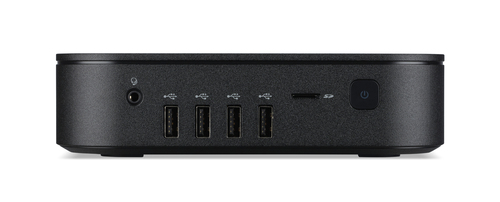
What Makes Chromebox Stand Out?
The first thing you'll notice about a Chromebox is its diminutive size—it's like having a mini PC right on your desk. This compact design is increasingly favored for its ability to fit anywhere space is at a premium. But don’t let its size fool you; running ChromeOS means it offers seamless online integration, which in today’s digital age, is truly indispensable. If you’re all about getting online quickly and efficiently, this device can often be the ideal solution.
Chromeboxes come with impressive hardware capabilities that ensure fast operation, thanks to features like high-speed connectivity, ample memory, and storage options. They’re great for users who need straightforward, fast, and dependable access to computing resources. Imagine setting up your home office without a clunky tower or a screen full of wires. Using these little wonders for digital signage systems in retail or ad displays is increasingly common. Additionally, few devices offer the plug-and-play appeal that Chromeboxes do. Setting one up is typically as easy as connecting a few cables, powering it on, and signing into your Google account. Whether you’re using it for business purposes or a simple home setup, this provides an effortless computing experience. It might be just what you’re looking for. Discover more about Chromebox features here.Key Benefits of Using a Chromebox
A standout benefit of the Chromebox is its affordability. Compared to traditional desktops, Chromeboxes usually come at a significantly lower cost without compromising essential functions, making them a popular choice for those looking to save on their initial investment. It’s also the versatility that makes it a favorite among users with limited space; small apartments or makeshift offices benefit enormously from its compact form.
Another advantage is the ease of use—especially if you're an educator reeling from tech fatigue. There’s no need to worry about the constant antivirus updates required by typical desktops; Chromeboxes automatically update software for robust security. This is crucial in a classroom setting, where budgets can be tighter and tech support isn’t always readily available. Imagine a school setting up dozens of computers without a knot of frustration or cost overrun. Chromebox comes to the rescue as a viable option for such cases. Moreover, when it comes to cloud computing, the Chromebox often shines brighter than others. It seamlessly links with cloud services, offering a resourceful platform for tasks like document creation, presentations, or data entry. Many find this option to be not just robust but refreshingly straightforward. Whether setting up an affordable classroom or configuring a personal device, the benefits speak for themselves.Practical Applications and Use Cases
For families considering a dedicated learning hub, the Chromebox presents an inspired solution. In small startups, we see these devices become pivotal—not just for their cost-effectiveness but also due to their negligible maintenance needs. Many small business owners have shared that in their experience, the low maintenance and cost savings of a Chromebox make it an unbeatable choice. It’s adaptable, allowing for seamless virtual meetings that won't break the bank or eat up space.
If you're into multimedia streaming or require a straightforward solution to access spreadsheets and email, Chromebox can handle those tasks with ease. Its strong video support and reliable connections often make it suitable for moderate multimedia needs. Also, several high-performing Chromeboxes outperform larger systems in numerous scenarios. The flexibility often offered by Chromebox devices makes them a go-to-choice for those vacation rentals needing guest internet zones or small cafes that want to provide a browsing station. Whether in homes or startup offices, Chromeboxes rarely disappoint. They often punch above their weight in usability, showing that bigger isn't always better. For more on how a Chromebox can fit into your life, see this guide.Comparing Chromebox Models: What to Look For
When choosing a Chromebox, there are several key factors to consider. Processing power is at the top of the list—ensure the CPU can handle your typical multitasking needs. More RAM generally speeds things up, so opt for at least 4GB if you plan on juggling multiple applications or browser windows. Storage size, while often limited compared to traditional desktops, should align with your reliance on local vs. cloud storage.
Additionally, pay attention to the number of ports available. Older models might skimp on HDMI or USB-C connections, so choose wisely based on your device attachment needs. The trend towards Gen 3 technology or models equipped with Intel Core processors often offers better performance and continued resource scaling for the latest tasks. So, if you're deciding between models, those with more RAM and a stronger CPU tend to better suit users who demand multitasking efficiency or resource-heavy tasks. Meanwhile, for up-to-date models and recommendations, consulting Lenovo's resources or reaching out to tech blogs might offer enlightening comparison details.Comparing Lenovo and Acer Chromeboxes
When comparing Lenovo Google Meet Series One Room Kits and Acer Chromebox CXI6, both have their unique advantages. Lenovo's kits excel with their video conferencing capabilities—transmitting high-quality video thanks to a 12 MP camera and offering enhanced connectivity for the busiest networks. This makes them particularly appealing if you're gearing up for plenty of remote meetings.
On the other hand, Acer's model shines for everyday usage with its strong multitasking abilities and its famed compact form. It becomes a great match for personal workstations where space and budget are priorities. In deciding which suits you, consider your primary needs. If it’s regular business meetings that require reliable video support, then Lenovo might just have the edge. For general tasks or a more personal setting, Acer offers a balance of power and efficiency at a competitive price. Evaluating what you’ll use it for makes all the difference.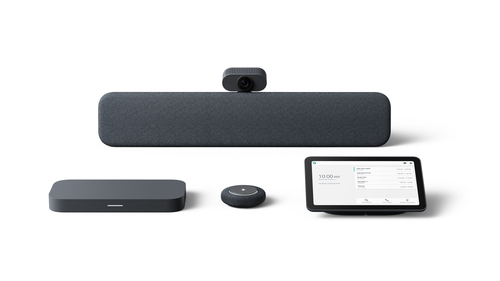
How to Set Up Your Chromebox Efficiently
To set up your Chromebox, begin by unpacking the box and connecting your peripherals. These include a monitor, keyboard, and mouse, which are essential for full operation. Power it up and connect it to either Wi-Fi or Ethernet to ensure a stable internet connection.
During the initial ChromeOS setup, update your system to the latest version to enjoy all its current features. Personalize the desktop to suit your productivity habits—consider arranging shortcuts to frequently used apps. Optimizing browser settings can enhance speed, making multitasking more efficient. Try configuring quick-launch options or extensions that match your workflow. For those interested in integrated setups with Chromebase options, the experience couldn’t be more harmonious. Streamline each step for a smooth, frustration-free setup.Conclusion
Reflecting on the strengths of a Chromebox, it seems clear: this device is ideal for users who prioritize simplicity and reliability. Are traditional desktops still worth your hefty investment? Perhaps they are, for some specialized needs. But for others, the versatile and compact Chromebox provides a harmonious blend of features that grows with evolving tech trends.
It's all about what fits your lifestyle and demands; that's often where the best value lies. Meanwhile, flexibility and straightforward maintenance appeals to many—including those not tech-savvy. So why not explore further, weigh your options, and make an informed decision? Dive into flexible Chromebox configurations here and see if it aligns with what you envision for the future.Frequently Asked Questions
Common questions about Chromebox